source(google.com.pk)
Pakistan President 2003-2009 Biography
In early 2003, young filmmakers took on a stance to demonstrate that high quality content could be produced by the local film industry using the limited resources available.[33] Cinema was declining in all major cities of the nation and a need for revival was echoed in the media. With privatisation of television stations in full swing, a new channel Filmazia was broadcast, primarily to broadcast films and productions made indigenously in the country. It was during this time that Mahesh Bhatt, a celebrated Indian director visited Pakistan looking for talent, particularly singers who could lend their voices to his upcoming films in India. His visit to Pakistan was to attend the third Kara Film Festival, for the screenings of his film Paap in Karachi.[34] Bhatt would later hire Atif Aslam for the soundtrack of his film Zeher and Pakistani actress Meera to play a lead-role in one of his films.[citation needed]
Later in 2005, industry officials realised that the government needed to lift the ban for the screening of Bollywood films in Pakistan. The issue was voiced by the Film Producers Association (FPA) and the Cinema Owners Association (CAO) of Pakistan after the release of the colourised remastering of the 1960 classic Mughal-e-Azam.[35] When the government turned down the request,[35] Geo Films, a subsidiary of Geo TV took on itself to invest in upcoming Pakistani directorial ventures and dubbed their efforts “Revival of Pakistani Cinema” and on 20 July 2007 released Shoaib Mansoor's cinematic directorial début Khuda Ke Liye (In The Name of God). The film would later become the first Pakistani film since the imposition of the ban in 1965 to be released simultaneously in India and Pakistan. With its general release in India, the four decade ban was finally lifted. The film was released in more than a 100 cinemas in 20 cities in India.[36]
Unbeknown to the local media scene, a Pakistani horror and gore film was already doing rounds in International film festivals.[37][38] Another directorial début by director Omar Ali Khan, Zibahkhana aka Hell's Ground premièred at festivals throughout the world gaining repute as the ‘first extreme-horror gore flick’ and received accolade wherever it screened. The film ushered a revival in the horror genre for Pakistani films. The film would also be the first Pakistani film shot on HD. Where the horror genre seems to have been reincarnated in the industry, Freedom Sound, a science fiction film would use the computer-generated special effects for the first time since 1989's Shaani. The recent successes of issue-centered Pakistani films such has Khuda Ke Liye prompted director Mehreen Jabbar to come forth with her instalment with the release of Ramchand Pakistani which will mark the first true efforts of international collaboration towards the revival of cinema in Pakistan.

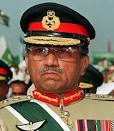



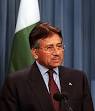


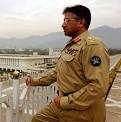

Pakistan President 2003-2009 Biography
In early 2003, young filmmakers took on a stance to demonstrate that high quality content could be produced by the local film industry using the limited resources available.[33] Cinema was declining in all major cities of the nation and a need for revival was echoed in the media. With privatisation of television stations in full swing, a new channel Filmazia was broadcast, primarily to broadcast films and productions made indigenously in the country. It was during this time that Mahesh Bhatt, a celebrated Indian director visited Pakistan looking for talent, particularly singers who could lend their voices to his upcoming films in India. His visit to Pakistan was to attend the third Kara Film Festival, for the screenings of his film Paap in Karachi.[34] Bhatt would later hire Atif Aslam for the soundtrack of his film Zeher and Pakistani actress Meera to play a lead-role in one of his films.[citation needed]
Later in 2005, industry officials realised that the government needed to lift the ban for the screening of Bollywood films in Pakistan. The issue was voiced by the Film Producers Association (FPA) and the Cinema Owners Association (CAO) of Pakistan after the release of the colourised remastering of the 1960 classic Mughal-e-Azam.[35] When the government turned down the request,[35] Geo Films, a subsidiary of Geo TV took on itself to invest in upcoming Pakistani directorial ventures and dubbed their efforts “Revival of Pakistani Cinema” and on 20 July 2007 released Shoaib Mansoor's cinematic directorial début Khuda Ke Liye (In The Name of God). The film would later become the first Pakistani film since the imposition of the ban in 1965 to be released simultaneously in India and Pakistan. With its general release in India, the four decade ban was finally lifted. The film was released in more than a 100 cinemas in 20 cities in India.[36]
Unbeknown to the local media scene, a Pakistani horror and gore film was already doing rounds in International film festivals.[37][38] Another directorial début by director Omar Ali Khan, Zibahkhana aka Hell's Ground premièred at festivals throughout the world gaining repute as the ‘first extreme-horror gore flick’ and received accolade wherever it screened. The film ushered a revival in the horror genre for Pakistani films. The film would also be the first Pakistani film shot on HD. Where the horror genre seems to have been reincarnated in the industry, Freedom Sound, a science fiction film would use the computer-generated special effects for the first time since 1989's Shaani. The recent successes of issue-centered Pakistani films such has Khuda Ke Liye prompted director Mehreen Jabbar to come forth with her instalment with the release of Ramchand Pakistani which will mark the first true efforts of international collaboration towards the revival of cinema in Pakistan.
Pakistan President 2003-2009
Pakistan President 2003-2009
Pakistan President 2003-2009
Pakistan President 2003-2009
Pakistan President 2003-2009
Pakistan President 2003-2009
Pakistan President 2003-2009
Pakistan President 2003-2009
Pakistan President 2003-2009
Pakistan President 2003-2009
Pakistan President 2003-2009

No comments:
Post a Comment