source(google.com.pk)
Middle Eastern Countries Pakistan Biography
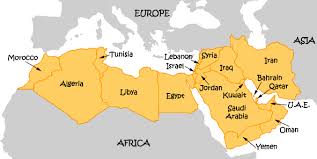
The Pakistani military's close ties to the nations of the Middle East are based on a combination of geography and shared religion. The Arab States especially the Gulf States have historically depended on regional armies to provide a protective umbrella and the armies of Pakistan have played at one time or another historical role in providing military backup muscles to the Gulf States at critical moments.[32] The closest ties are with Saudi Arabia—a sporadically generous patron; much of the equipment bought from the United States during the 1980s, for example, was paid for by the Saudis. The smaller Persian Gulf states also have been sources of important financial support.[33] The flow of benefits has been reciprocated. Beginning in the 1960s, Pakistanis have been detailed as instructors and trainers in Saudi Arabia, Jordan, Syria, Libya, Kuwait, and the United Arab Emirates. Pakistani pilots, sailors, and technicians have played key roles in some Persian Gulf military forces, and Arabs have been trained both in their home countries and in military training establishments in Pakistan. Pakistani army, under the leadership of the dictator, General Zia-ul-Haq were instrumental in putting down the Palestinian revolt Black September in Jordan against King Hussein in the early seventies.
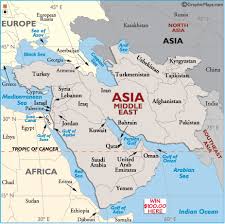
Pakistan enjoyed strong military relations with Iran during the Shah era. Both Pakistan and Iran were in the American camp opposing the Soviet Union and its allies which included India. During the 1965 war of Pakistan with India the Shah provided free fuel to the Pakistani planes who used to land on Iranian soil, refuel and the take off. After the Iranian revolution, Pakistan was among the first countries to recognize the new Iranian government and continued to maintain strong military relations. Iran sent its Military officers and personnel to be trained in Pakistani academies when military and diplomatic ties with the USA were severed following the hostage taking of the US Embassy. Pakistan also helped give spare parts and other items to the largely American equipped Iranian Military. The relations began to deteriorate when the Soviet war in Afghanistan caused large number of Sunni foreign fighters to arrive in Pakistan. General Zia ul Haq's extremist views towards the Shias caused tensions to rise between Sunni and Shia communities in Pakistan much to the discomfort of Iran. The Arab countries and USA pressured Pakistan to stop its military aid to Iran due to the Iraq-Iran War in which USA and Sunni Arab countries were backing Iraq. Iran was blamed for the rising ethnic tensions between Sunni and Shia because of Pakistan's support of Iraq during the Iran-Iraq war. Relations continued to decline in the 1990s when with Pakistan's help the Taliban came to power in Afghanistan. Iran and the Taliban almost went to war in 1997 over territorial and drug trafficking disputes. Throughout the 80s and 90s, Iran moved closer to India.
After 9/11 and the overthrow of the Taliban, Pakistan and Iran have begun to re-build their ties. Delegations have been exchanged, and Pakistan has sold military equipment to Iran. In early March 2005, Pakistan acknowledged A. Q. Khan had provided centrifuges to Iran, though it denied having had any knowledge of the transactions. Pakistan also has military ties with Turkey and would like to use these, as well as its Iranian connections, as a bridge to the new Muslim states of Central Asia.


Middle Eastern Countries Pakistan Biography
The Pakistani military's close ties to the nations of the Middle East are based on a combination of geography and shared religion. The Arab States especially the Gulf States have historically depended on regional armies to provide a protective umbrella and the armies of Pakistan have played at one time or another historical role in providing military backup muscles to the Gulf States at critical moments.[32] The closest ties are with Saudi Arabia—a sporadically generous patron; much of the equipment bought from the United States during the 1980s, for example, was paid for by the Saudis. The smaller Persian Gulf states also have been sources of important financial support.[33] The flow of benefits has been reciprocated. Beginning in the 1960s, Pakistanis have been detailed as instructors and trainers in Saudi Arabia, Jordan, Syria, Libya, Kuwait, and the United Arab Emirates. Pakistani pilots, sailors, and technicians have played key roles in some Persian Gulf military forces, and Arabs have been trained both in their home countries and in military training establishments in Pakistan. Pakistani army, under the leadership of the dictator, General Zia-ul-Haq were instrumental in putting down the Palestinian revolt Black September in Jordan against King Hussein in the early seventies.
Pakistan enjoyed strong military relations with Iran during the Shah era. Both Pakistan and Iran were in the American camp opposing the Soviet Union and its allies which included India. During the 1965 war of Pakistan with India the Shah provided free fuel to the Pakistani planes who used to land on Iranian soil, refuel and the take off. After the Iranian revolution, Pakistan was among the first countries to recognize the new Iranian government and continued to maintain strong military relations. Iran sent its Military officers and personnel to be trained in Pakistani academies when military and diplomatic ties with the USA were severed following the hostage taking of the US Embassy. Pakistan also helped give spare parts and other items to the largely American equipped Iranian Military. The relations began to deteriorate when the Soviet war in Afghanistan caused large number of Sunni foreign fighters to arrive in Pakistan. General Zia ul Haq's extremist views towards the Shias caused tensions to rise between Sunni and Shia communities in Pakistan much to the discomfort of Iran. The Arab countries and USA pressured Pakistan to stop its military aid to Iran due to the Iraq-Iran War in which USA and Sunni Arab countries were backing Iraq. Iran was blamed for the rising ethnic tensions between Sunni and Shia because of Pakistan's support of Iraq during the Iran-Iraq war. Relations continued to decline in the 1990s when with Pakistan's help the Taliban came to power in Afghanistan. Iran and the Taliban almost went to war in 1997 over territorial and drug trafficking disputes. Throughout the 80s and 90s, Iran moved closer to India.
After 9/11 and the overthrow of the Taliban, Pakistan and Iran have begun to re-build their ties. Delegations have been exchanged, and Pakistan has sold military equipment to Iran. In early March 2005, Pakistan acknowledged A. Q. Khan had provided centrifuges to Iran, though it denied having had any knowledge of the transactions. Pakistan also has military ties with Turkey and would like to use these, as well as its Iranian connections, as a bridge to the new Muslim states of Central Asia.
Middle Eastern countries Pakistan
Middle Eastern Countries Pakistan
Middle Eastern Countries Pakistan
Middle Eastern Countries Pakistan
Middle Eastern Countries Pakistan
Middle Eastern Countries Pakistan
Middle Eastern Countries Pakistan
Middle Eastern Countries Pakistan
Middle Eastern Countries Pakistan
Middle Eastern Countries Pakistan
Middle Eastern Countries Pakistan

No comments:
Post a Comment